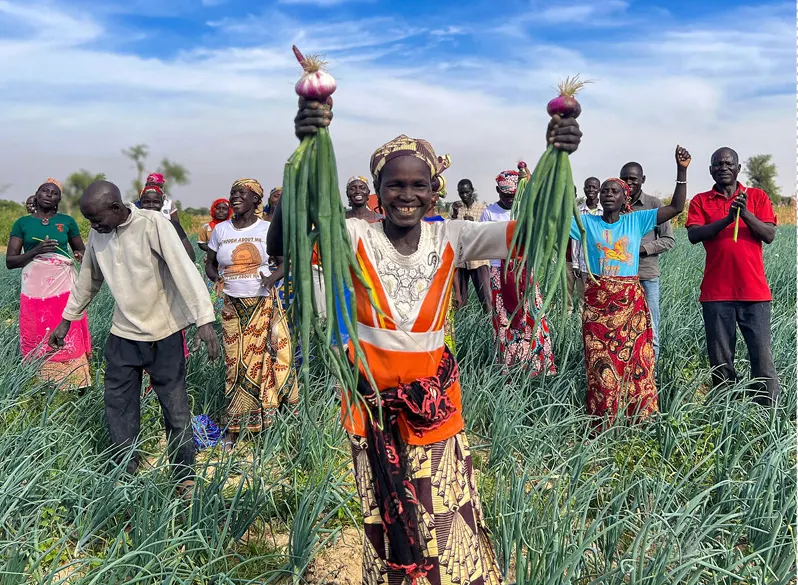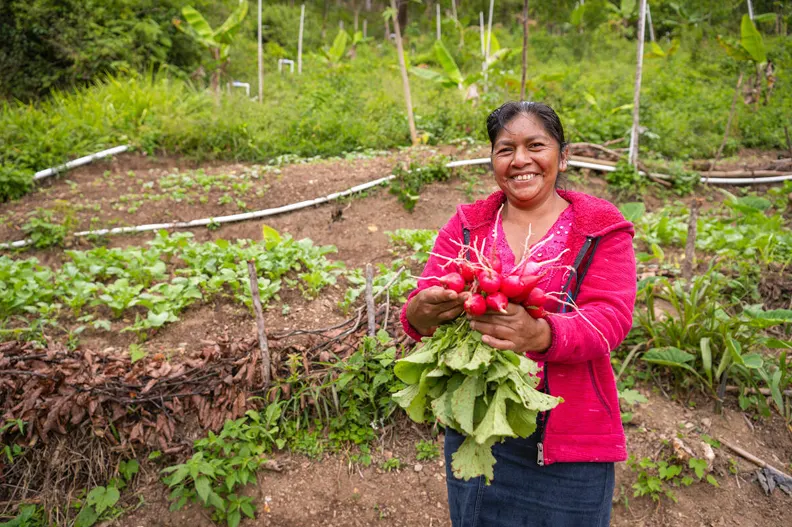




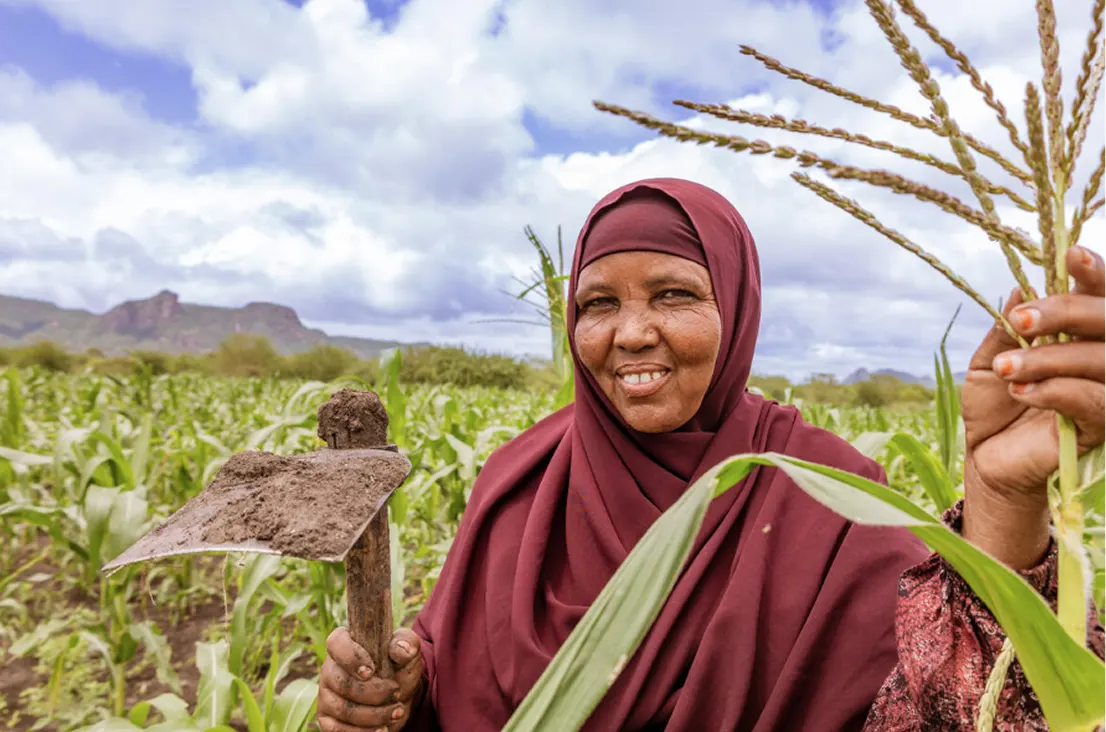
Rural communities in Kenya rely heavily on agriculture to drive local economies, yet farming remains highly vulnerable to climate shocks. The World Food Programme supports farmers through agricultural planning and value chain development initiatives. During periods of sustained rainfall, farmers cultivate crops such as maize, beans and pasture. When rain diminishes, they transition to drought-tolerant crops, including sorghum and simsim (sesame).
This flexible approach helps producers maintain their livelihoods despite changing climatic conditions while also creating new income opportunities. Beyond the sale of raw sesame seeds, farmers can generate additional value through secondary products such as sesame oil, diversifying their revenue streams and strengthening their resilience.